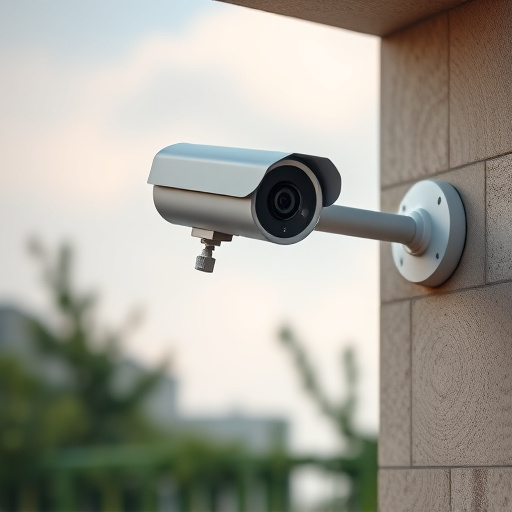
Battery-powered security camera decoys offer flexible surveillance solutions, with key differences between indoor and outdoor models centered around durability. Indoors, compact yet fragile designs are suitable for discreet placement near entry points or valuable assets; outdoors, robust, weatherproof cameras withstand harsh conditions for effective deterrence. Battery technology improvements enhance flexibility, but present distinct challenges: shorter outdoor life due to weather and limited PoE reach indoors. Choosing between Lithium-ion (Li-ion) or Alkaline batteries depends on specific needs and operational demands—higher energy density Li-ions ideal for outdoor cameras; Alkalines more suitable for indoor use with lower power needs. Both offer versatile, cost-effective security options, deterring burglars, shoplifters, and enhancing public space surveillance without extensive wiring.
“Uncover the power of battery-powered security camera decoys – an innovative solution for enhancing home and business safety. This comprehensive guide explores the intricacies of these invisible guardians, shedding light on their evolution and diverse applications. We delve into the subtle differences between indoor and outdoor dummy cameras, emphasizing their durability considerations in various settings.
From advanced battery technologies to crucial performance factors, this article navigates the key elements that make or break an effective security camera decoy, helping you choose the perfect fit for your needs.”
- Understanding Battery-Powered Security Camera Decoys: A Comprehensive Overview
- Indoor vs Outdoor Dummy Cameras: Key Differences in Durability and Placement
- The Evolution of Battery Technology for Security Cameras: Advantages and Limitations
- Choosing the Right Battery Type for Optimal Performance: Lithium-Ion vs Alkaline
- Real-World Applications: Effective Use Cases for Indoor and Outdoor Camera Decoys
Understanding Battery-Powered Security Camera Decoys: A Comprehensive Overview
Battery-powered security camera decoys are a popular choice for both indoor and outdoor applications, offering a flexible and discreet way to enhance home or business security. These dummy cameras differ from traditional fixed surveillance systems as they are portable and require no complex wiring, making them ideal for temporary or strategic placement. The key advantage lies in their battery operation, allowing for easy installation and movement to suit various scenarios.
When considering indoor vs outdoor dummy cameras, durability becomes a critical factor. Outdoor environments present unique challenges, including exposure to varying weather conditions, potential physical damage, and the need for robust construction. In contrast, indoor cameras may face different concerns, such as limited space and the requirement to blend seamlessly into their surroundings. Understanding these distinctions is essential when selecting a battery-powered decoy camera to ensure it meets the specific demands of its deployment location.
Indoor vs Outdoor Dummy Cameras: Key Differences in Durability and Placement
When considering battery-powered security camera decoys, it’s crucial to understand the key differences between indoor and outdoor dummy cameras in terms of durability and placement. Indoor cameras are generally more delicate due to their smaller size and lack of weatherproofing, making them suitable for static, controlled environments like homes or offices. They often come with simple designs that mimic real cameras but don’t withstand harsh conditions like rain, snow, or extreme temperatures.
In contrast, outdoor dummy cameras are built to last in challenging environments. They feature robust construction with weatherproof casing, ensuring they can handle exposure to the elements. These decoys are strategically placed outdoors to deter potential intruders, offering a more realistic security presence due to their durable design. The increased durability allows them to remain operational for extended periods, making them an effective investment for enhancing outdoor security.
The Evolution of Battery Technology for Security Cameras: Advantages and Limitations
The evolution of battery technology has significantly contributed to the advancement of security cameras, particularly in the realm of indoor and outdoor dummy cameras. One of the primary advantages is the elimination of the cumbersome power cords, offering greater flexibility in camera placement. Battery-powered models can be strategically positioned for optimal surveillance without the limitations of fixed wiring. This evolution has been a game-changer for enhancing security measures both indoors and outdoors.
However, there are limitations to consider. The duration of battery life varies across models, with outdoor cameras often requiring more frequent replacements due to varying weather conditions and continuous operation. In contrast, indoor cameras may benefit from longer battery lifespans but face different challenges, such as limited reach for power-over-Ethernet (PoE) connections. Balancing these factors is crucial when selecting a battery-powered security camera decoy to ensure optimal durability and functionality tailored to specific settings.
Choosing the Right Battery Type for Optimal Performance: Lithium-Ion vs Alkaline
When selecting a battery-powered security camera decoy, understanding the battery type is key to ensuring optimal performance and longevity, especially when considering both indoor and outdoor use cases. The two primary options are lithium-ion (Li-ion) and alkaline batteries. Li-ion batteries offer several advantages, such as higher energy density, which means they can store more energy in a smaller size, making them lighter and compact for decoy cameras. This is particularly beneficial for outdoor dummy cameras that need to be discreetly placed without drawing attention to their power source.
Alkaline batteries, while widely available and often cheaper, have lower energy density and shorter lifespan compared to Li-ion batteries. For indoor security camera decoys that don’t face harsh weather conditions, alkaline batteries might be suitable as they require less frequent replacement. However, for outdoor use or in environments with extreme temperatures, lithium-ion batteries are the better choice due to their superior durability and performance, ensuring your dummy cameras remain operational and effective over time.
Real-World Applications: Effective Use Cases for Indoor and Outdoor Camera Decoys
Battery-powered security camera decoys offer versatile solutions for both indoor and outdoor applications, catering to diverse security needs. In residential settings, these dummy cameras are an effective deterrent against burglars, strategically placed near entry points or valuable assets. Their realistic design and intermittent activity mimic genuine surveillance, making potential intruders think twice before attempting any malicious activities.
For outdoor use cases, such as in businesses, warehouses, or public spaces, durable indoor-grade decoys can withstand harsh weather conditions, providing a cost-effective way to enhance security. These cameras are particularly useful for deterring shoplifters, monitoring high-traffic areas, and securing perimeters without the need for extensive wiring or permanent installations. The portable nature of battery-powered models allows for easy relocation and strategic placement to meet evolving security requirements.
Battery-powered security camera decoys offer a versatile solution for enhancing home and business security. Understanding the differences between indoor and outdoor models, especially in terms of durability, is crucial when selecting the right fit. The evolution of battery technology has significantly improved their performance and longevity, with advancements like lithium-ion batteries providing longer lifespans and faster charging times compared to traditional alkaline options. When deployed strategically, these decoys can deter potential intruders, making them valuable assets for both residential and commercial applications in various settings, be it indoors or outdoors.