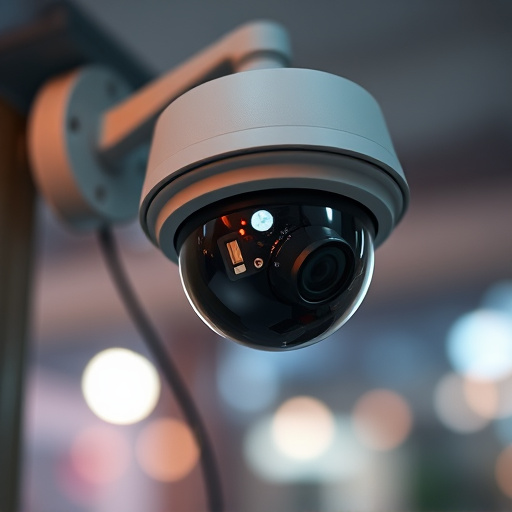
Indoor and outdoor dummy cameras with infrared sensors vary significantly in durability. Indoor cameras offer strategic placement, clear line-of-sight visibility, and minimal maintenance, while outdoor cameras must withstand varying weather conditions with proper sealing and specialized features. LED performance varies based on lighting conditions, requiring tailored sensors for effective surveillance in specific environments, emphasizing the critical role of Indoor Vs Outdoor Dummy Camera Durability.
In the realm of home security, fake camera infrared sensor LEDs play a crucial role as indoor and outdoor dummy cameras. This article delves into the intricacies of these devices, offering guidance on understanding their mechanics, optimizing placement for maximum effectiveness, and choosing between indoor and outdoor models based on durability considerations. By exploring indoor vs. outdoor dummy camera durability, users can ensure they invest in a reliable solution tailored to their specific environments.
- Understanding Fake Camera Infrared Sensors
- Indoor Settings: Durability and Placement
- Outdoor Exposure: Weatherproofing Considerations
- Comparatively: Sensitivity in Different Environments
- Choosing Between Indoor/Outdoor Dummy Cameras
Understanding Fake Camera Infrared Sensors
Fake camera infrared sensors, often marketed as “dummy” or “indoor/outdoor” cameras, have gained popularity for their seemingly straightforward functionality and affordability. However, understanding the distinction between genuine security cameras and these mock-ups is crucial, especially when considering factors like durability and intended use, such as indoor vs outdoor applications.
These fake sensors typically lack advanced features found in real cameras, including high-resolution imaging, night vision capabilities, and motion detection algorithms. They are often made with more fragile materials and designed to resemble real cameras superficially, making them more suitable for decagonal purposes rather than reliable security solutions. The durability of indoor dummy cameras tends to be lower due to their reduced protective housing and lack of weatherproofing compared to outdoor models, which are built to withstand various environmental conditions.
Indoor Settings: Durability and Placement
In indoor settings, the durability and strategic placement of a dummy camera with an infrared sensor LED are paramount to its effectiveness. Unlike outdoor environments where weather conditions may pose challenges, indoor spaces offer unique advantages for these cameras. They can be mounted on walls or ceilings, taking full advantage of line-of-sight visibility without the obstructions often found outdoors, such as trees or buildings. This strategic placement ensures clear and unobstructed infrared views, enhancing their sensitivity to motion.
The durability aspect is equally crucial. Indoor dummy cameras are typically designed with robust materials capable of withstanding constant use in controlled environments. They require minimal maintenance compared to outdoor counterparts, which often face exposure to harsh weather conditions. This makes them ideal for long-term surveillance in homes or offices without compromising performance, ensuring a steady and reliable monitoring experience.
Outdoor Exposure: Weatherproofing Considerations
When comparing indoor vs outdoor dummy camera durability, one key factor is weatherproofing. Outdoor exposure presents unique challenges that require specialized considerations to ensure the longevity and functionality of your device. While an indoor dummy camera might suffice for regular monitoring, its absence from harsh environmental conditions makes it a poor choice for exterior use.
Weatherproof sensors are essential for outdoor setups, designed to withstand varying temperatures, precipitation, and UV exposure. Proper sealing and protection against moisture intrusion guard against short circuits and equipment failure. These features are particularly crucial in regions with extreme climates or frequent storms, ensuring the camera remains operational and reliable over time.
Comparatively: Sensitivity in Different Environments
In terms of sensitivity, the performance of fake camera infrared sensor LEDs varies significantly between indoor and outdoor environments. Indoors, where light pollution and ambient lighting conditions are more controlled, these sensors can achieve remarkable accuracy and responsiveness. This is particularly beneficial for security systems aiming to detect subtle movements or changes within a familiar, well-lit space. However, when transitioning to outdoor settings, the challenge increases dramatically. Outdoor dummy camera durability requires robust design to withstand varying weather conditions, from harsh sunlight that can affect sensor performance, to heavy rainfall and freezing temperatures, all while maintaining sensitivity for effective surveillance. The difference in outcomes between indoor and outdoor environments underscores the importance of choosing sensors designed for specific applications.
Choosing Between Indoor/Outdoor Dummy Cameras
When selecting between an indoor and outdoor dummy camera, understanding their respective durabilities is key. Indoor cameras are designed for limited exposure to elements like dust, moisture, and extreme temperatures, making them ideal for safe, controlled environments. They often feature compact designs with basic functionalities, focusing on clear, indoor vision rather than robust weather resistance.
In contrast, outdoor dummy cameras are built to withstand harsh weather conditions, from rain and snow to intense sunlight. These cameras boast enhanced durability with waterproof casings, anti-fogging technologies, and improved heat dissipation systems. Their robust design ensures they can operate reliably in diverse environments, making them suitable for outdoor security needs where exposure to the elements is inevitable. In terms of Indoor Vs Outdoor Dummy Camera Durability, the choice depends on the specific requirements and conditions of your installation location.
Infrared (IR) dummy cameras, or fake camera infrared sensors, offer both indoor and outdoor applications, each requiring specific considerations. Understanding the durability differences between these settings is crucial for effective implementation. Indoor environments demand robust construction to withstand constant use and varying conditions. Outdoor exposure necessitates weatherproofing to shield sensitive components from harsh elements, emphasizing the need for durable materials. When selecting an IR dummy camera, whether for indoor or outdoor use, prioritizing quality ensures optimal performance and longevity, catering to diverse real-world scenarios.