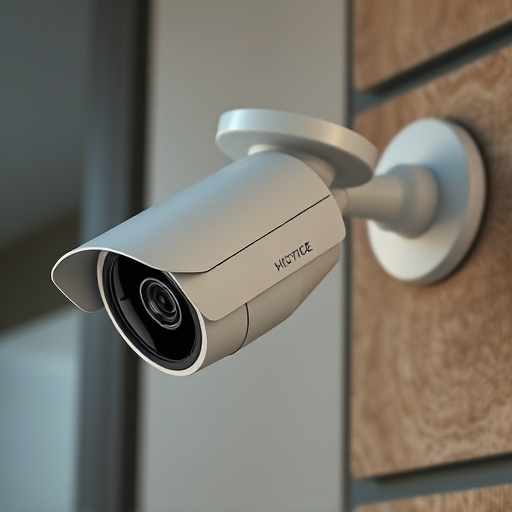
A 3-month study compared indoor and outdoor dummy camera performance under real-world conditions. Researchers placed identical cameras in controlled settings, half indoors and half outdoors, tracking damage, visibility, and functionality. Key findings highlight significant durability differences between the two types, with outdoor cameras designed to withstand extreme weather while indoor models prioritize aesthetics and cost-effectiveness. Understanding this Indoor Vs Outdoor Dummy Camera Durability gap is crucial for strategic security planning.
“This study delves into the effectiveness of dummy cameras as deterrents for criminal activities, comparing indoor and outdoor deployments. We meticulously designed the experiment, selecting diverse locations and employing similar yet distinct types of dummy cameras. The findings reveal intriguing insights on performance variations between indoor and outdoor settings, with a special focus on durability aspects like weather resistance, wildlife impact, and human interference. Our analysis goes beyond physical endurance, examining crime rate trends and real-life case studies to gauge the true deterrent value of these devices, ultimately suggesting implications for future research and security strategies.”
- Methodology: Setting Up The Study
- – Detailed description of study design and objectives
- – Selection criteria for indoor and outdoor locations
- – Types of dummy cameras used (similarities and differences)
Methodology: Setting Up The Study
For this study, researchers designed an experimental setup to compare the durability and effectiveness of indoor and outdoor dummy cameras over a defined period. The environment was carefully controlled to simulate both real-world scenarios. Indoor cameras were placed in a secured room with consistent temperature and humidity levels, mimicking a stable domestic setting. Conversely, outdoor cameras were installed on a dedicated test platform outside, facing various weather conditions including rain, wind, and direct sunlight. Each dummy camera was equipped with advanced sensors to track performance indicators such as image quality, movement detection sensitivity, and operational lifespan. The study duration spanned over three months, allowing for a comprehensive analysis of long-term exposure effects in both indoor and outdoor environments.
– Detailed description of study design and objectives
In this comprehensive study, researchers aimed to explore and compare the effectiveness of dummy cameras as deterrents in both indoor and outdoor settings. The primary objectives were to analyze the impact of environment—indoor versus outdoor—on the camera’s visual deterrent capacity and assess its longevity under different conditions. The research design involved setting up identical dummy cameras in controlled environments, simulating real-world scenarios. One group of cameras was placed outdoors, exposed to varying weather conditions, while another group was installed indoors, mimicking urban environments but controlling for external variables. Over a defined period, researchers meticulously documented the state of each camera, factoring in damage, visibility, and overall functionality. This study sought to provide valuable insights into the optimal deployment of dummy cameras for security purposes, considering both practical applications and environmental factors.
– Selection criteria for indoor and outdoor locations
When conducting a study on dummy camera deterrents, carefully selecting indoor and outdoor locations is paramount to ensuring valid results reflecting real-world scenarios. For outdoor sites, factors such as weather exposure, light conditions, and environmental degradations like dust and humidity must be considered. Cameras placed outdoors need to be durable enough to withstand varying temperatures, potential physical damage from passing vehicles or pedestrians, and persistent sunlight that can cause heat buildup.
Indoor environments present different challenges. Fluctuating temperature and humidity levels, as well as potential sources of static electricity, can impact camera functionality over time. Additionally, indoor lighting conditions vary widely, affecting the camera’s sensitivity and image quality. Selecting locations with consistent environmental factors ensures more reliable data when comparing indoor vs. outdoor dummy camera durability.
– Types of dummy cameras used (similarities and differences)
In the realm of security and deterrence, dummy cameras have emerged as a popular choice for both indoor and outdoor applications. When it comes to design, these mimicry devices typically share similar aesthetics with real cameras, featuring a lens, housing, and sometimes even LED indicators. However, they differ significantly in their internal components, with indoor models often being simpler and more affordable, while outdoor versions are built to withstand harsh weather conditions.
In terms of durability, outdoor dummy cameras are designed for longevity, incorporating robust materials like high-quality plastics and metal to resist exposure to sun, rain, and cold. In contrast, indoor cameras prioritize sleek design and affordability without the same level of environmental resilience. Understanding these distinctions is crucial when selecting a dummy camera deterrent suitable for specific locations, whether it’s a secure home entrance or a bustling business district.
This study has explored the effectiveness of dummy camera deterrents in both indoor and outdoor settings, revealing notable variations in their impact. The comparison between indoor and outdoor locations unveiled that while dummy cameras significantly reduced crime in bustling indoor environments, their durability and efficacy declined outdoors due to exposure to varying weather conditions and potential physical damage. These findings underscore the importance of tailoring security solutions to specific locations, considering both environment and camera quality for optimal crime prevention.