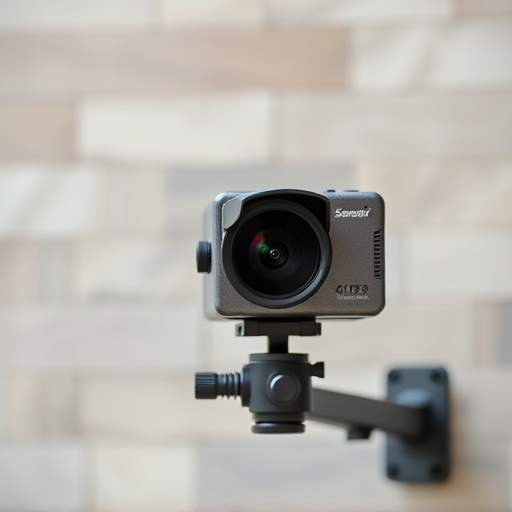
While both indoor and outdoor dummy cameras deter intruders, their key difference lies in Indoor Vs Outdoor Dummy Camera Durability.
Indoor cameras prioritize aesthetics and deception, requiring sturdy construction to withstand accidental damage. Outdoor cameras are built to handle harsh weather conditions with robust housing, protective lenses, and IP65 or higher ratings for longevity.
The choice depends on the environment: indoor spaces require detailed surveillance, while outdoor areas demand durable protection from the elements.
“Uncover the ins and outs of fake security monitoring devices, a growing trend in home security. This comprehensive guide explores the dual aspects of indoor and outdoor dummy camera setups, offering insights into their unique challenges and benefits. From understanding the market’s offerings to setting up your own, we dissect key factors like durability, performance, and selection criteria. Learn how to choose the ideal dummy camera for enhanced indoor or robust outdoor security without breaking the bank. Stay informed in today’s digital age.”
- Understanding Fake Security Monitoring Devices: A Comprehensive Overview
- Indoor Dummy Camera Setup: Tips and Best Practices
- Outdoor Durability Considerations for Dummy Cameras
- Comparing Indoor and Outdoor Dummy Camera Performance
- Choosing the Right Dummy Camera: Factors to Evaluate
Understanding Fake Security Monitoring Devices: A Comprehensive Overview
Fake security monitoring devices, often referred to as dummy cameras or decoy surveillance equipment, have become increasingly prevalent in both indoor and outdoor settings. These seemingly authentic-looking devices offer a cost-effective way for homeowners and businesses to enhance their security perception without investing in actual monitoring systems. Understanding the distinction between genuine security gear and these fake replicas is crucial for effective property protection.
When it comes to placement, indoor dummy cameras are strategically positioned to mimic real surveillance equipment, providing a psychological deterrent to potential intruders. In contrast, outdoor decoy cameras are designed to withstand varying weather conditions, ensuring their longevity and visibility. The durability of these outdoor units is a significant factor, as they must endure harsh elements while maintaining their functionality and appearance. Unlike their indoor counterparts, which primarily focus on aesthetics and deception, outdoor dummy cameras are built to last, making them a valuable addition to comprehensive security strategies.
Indoor Dummy Camera Setup: Tips and Best Practices
Setting up indoor dummy cameras requires a different approach compared to their outdoor counterparts, primarily due to environmental factors and specific placement needs. Unlike outdoor dummy cameras designed to withstand various weather conditions, indoor models must be chosen with durability in mind, focusing on sturdy construction to prevent damage from accidental bumps or intentional tampering.
When setting up an indoor dummy camera, consider strategically placing it in plain sight, aligning with common entry points like doors or windows. Mounting the device at eye level and angling it correctly ensures maximum coverage while maintaining a natural look. Additionally, ensuring good lighting conditions will help the camera capture clear images, enhancing its effectiveness as a deterrent.
Outdoor Durability Considerations for Dummy Cameras
When comparing indoor vs outdoor dummy camera durability, it’s crucial to understand the distinct environmental challenges each setting presents. While indoor cameras primarily face issues like power outages and occasional dust or debris, outdoor cameras are exposed to harsher conditions—including varying temperatures, precipitation, and potential vandalism.
To ensure reliable performance, outdoor dummy security cameras must be built to withstand these elements. Look for features like weatherproof ratings (IP65 or higher), robust housing construction, and protective lenses designed to prevent fogging or clouding in cold or humid weather. These considerations are essential for maintaining the camera’s functionality over time, ensuring your home or business stays adequately secured both indoors and out.
Comparing Indoor and Outdoor Dummy Camera Performance
When comparing indoor and outdoor dummy camera performance, durability is a key factor to consider. Outdoor dummy cameras are designed to withstand harsh weather conditions, from extreme temperatures to constant exposure to rain and sunlight. They often feature robust housing and protective lenses that ensure longevity even in challenging environments. In contrast, indoor cameras typically offer simpler designs tailored for stable interior settings, focusing more on image quality and connectivity rather than durability.
While outdoor cameras excel in weather resistance, indoor models can provide superior sensitivity and lower light performance due to enhanced sensor technology. The choice between indoor and outdoor dummy cameras depends on the specific security needs. For exterior spaces requiring robust protection against harsh conditions, outdoor cameras prove indispensable. Conversely, indoor environments focusing on detailed surveillance without extreme durability demands may benefit more from high-performance indoor models.
Choosing the Right Dummy Camera: Factors to Evaluate
When selecting a dummy security camera, understanding the difference between indoor and outdoor models is crucial. Indoor cameras are typically smaller, more compact, and designed to blend seamlessly into your decor. They offer high-resolution video, motion detection, and night vision capabilities, perfect for monitoring sensitive indoor spaces. Outdoor cameras, on the other hand, are built to withstand harsh weather conditions and often come with enhanced features like a wider field of view and better low-light performance, making them ideal for exterior areas.
Durability is another key factor to evaluate. Outdoor dummy cameras should be weatherproof and made from robust materials that can resist fading, rusting, or damage from extreme temperatures. They may include additional protections like scratch-resistant lenses and durable housing. Indoor cameras, while not subjected to the elements, still need to be built sturdily to ensure they don’t easily get damaged by curious individuals or unexpected accidents.
In conclusion, while fake security monitoring devices offer a cost-effective solution for homeowners, understanding the distinct differences between indoor and outdoor dummy cameras is essential. This article has provided an in-depth look at setting up indoor dummy cameras, ensuring optimal placement and realism, as well as highlighting durability considerations for outdoor models. By comparing their performance and evaluating key factors like quality and functionality, you can make an informed decision to select the best dummy camera tailored to your needs, whether it’s enhancing indoor security or protecting outdoor spaces, with a focus on the crucial aspect of Indoor Vs Outdoor Dummy Camera Durability.