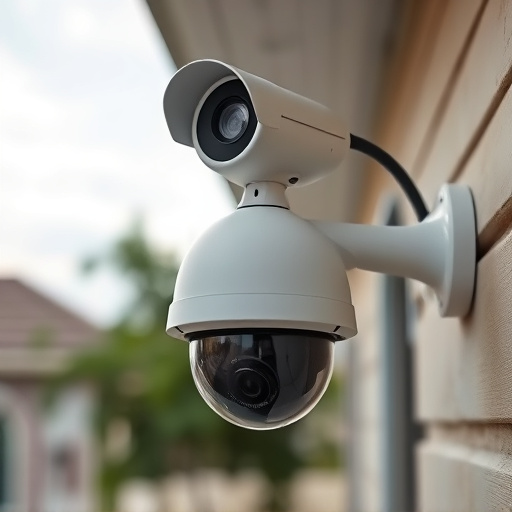
Choosing between indoor and outdoor dummy cameras hinges on understanding their distinct durability needs. Indoor cameras focus on weatherproofing, impact resistance, and high image quality for controlled environments, while outdoor models prioritize robust construction, advanced sealing, and ruggedness to withstand harsh weather conditions, vibrations, and potential physical damage. For optimal performance, consider IP ratings, lens quality, and image stabilization in both types, ensuring the chosen camera is durable and suited to its specific environment.
“Uncover the world of dummy security dome cameras—a cost-effective alternative to real surveillance systems. This comprehensive guide delves into the intricacies of these deceptive devices, offering a ‘dummy’ yet effective layer of protection for your indoor and outdoor spaces. We explore the key differences between indoor and outdoor models, dissecting crucial specifications like resolution, night vision, and weather resistance. Understanding these factors is essential when choosing the right dummy camera to enhance your property’s security.”
- Understanding Dummy Security Cameras: A Comprehensive Overview
- Indoor Dummy Camera Specifications: What to Look For
- Outdoor Dummy Camera Durability: Withstanding the Elements
- Key Differences Between Indoor and Outdoor Models
- Choosing the Right Dummy Camera: A Practical Guide
Understanding Dummy Security Cameras: A Comprehensive Overview
Indoor Dummy Camera Specifications: What to Look For
When considering an indoor dummy security dome camera, several key specifications should be at the forefront of your decision-making process. One of the primary distinctions to make early on is between indoor and outdoor cameras; this choice will heavily influence other features and considerations. Indoor cameras, designed for use within a controlled environment, may have different durability standards compared to their outdoor counterparts. Look for models that are specifically marketed as suitable for indoor usage, ensuring they’re protected against dust, moisture, and other common household elements.
Durability is a crucial aspect, but it manifests differently indoors versus outdoors. Indoor dummy cameras should be built to withstand accidental bumps and minor vibrations without sustaining damage or affecting their performance. They often feature housing made from high-quality plastics or polycarbonate that offers excellent impact resistance. Unlike outdoor cameras, weatherproofing isn’t usually a primary concern for indoor models, so they may not have sealed enclosures, but they still need to be robust enough to protect the camera’s internal components.
Outdoor Dummy Camera Durability: Withstanding the Elements
Outdoor dummy security cameras are designed with durability in mind, as they need to withstand a range of weather conditions, from harsh sunlight and rain to freezing temperatures. In contrast, indoor cameras often prioritize aesthetics and functionality but may lack the robust construction necessary for outdoor use. The materials used in their manufacturing play a significant role; high-quality plastics and metals can resist fading, cracking, and rusting, ensuring they maintain their integrity over time.
Compared to indoor counterparts, outdoor dummy cameras often feature more robust housing and sealing to prevent water penetration. This is crucial as exposure to rain, snow, and moisture can significantly impact the camera’s performance and lifespan. Additionally, weatherproofing ensures that the internal components remain protected, allowing these cameras to operate reliably in various environments without succumbing to the elements like their indoor counterparts often do.
Key Differences Between Indoor and Outdoor Models
When choosing between indoor and outdoor dummy security dome cameras, understanding their key differences is crucial. Indoor models are designed to withstand the challenges of controlled environments, typically featuring a smaller build for discrete placement and enhanced image quality for close observation. They often come with weatherproof casing but may lack the robust durability required for harsh exterior conditions.
Conversely, outdoor dummy cameras are built for longevity in all elements. They boast sturdy construction, often with rugged, dust- and water-resistant designs (IP67 or higher), ensuring they can endure extreme temperatures, heavy rain, and other outdoor hazards. While indoor models excel at providing clear, detailed footage indoors, outdoor models specialize in delivering reliable surveillance performance even under demanding weather circumstances.
Choosing the Right Dummy Camera: A Practical Guide
When selecting a dummy security dome camera, understanding the differences between indoor and outdoor models is key. Indoor cameras are designed for use within homes or offices, focusing on high-resolution video quality and motion detection capabilities to capture clear images in low light conditions. They often come with night vision features and can be easily mounted on walls or ceilings. Outdoor dummy cameras, however, are built to withstand harsh weather conditions, featuring water-resistant housing and enhanced durability. These models offer broader viewing angles and may include additional functions like temperature sensors or wireless connectivity for remote monitoring.
Consider your specific security needs when choosing between indoor and outdoor types. If you require a camera to protect valuable items inside your home or business, an indoor dummy camera will suffice. For exterior spaces exposed to the elements, investing in a robust outdoor model is essential. Look for specifications like IP ratings (for dust and water resistance), lens quality, and image stabilization to ensure optimal performance in various environments.
In conclusion, dummy security cameras offer a cost-effective solution for enhancing home and business security. Whether you’re opting for an indoor or outdoor model, understanding the specific specifications and durability is key to making an informed choice. By considering factors like material quality, weather resistance (especially when comparing indoor vs outdoor durability), and installation ease, you can select the perfect dummy camera to deter potential intruders and provide peace of mind.