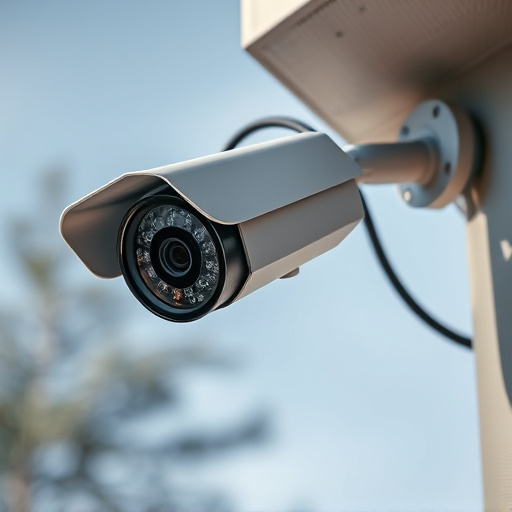
Choosing between indoor and outdoor dummy cameras depends on specific needs regarding durability. Outdoor models are built ruggedly to resist all-weather conditions, while indoor cameras prioritize aesthetics and ease of installation with less durable construction. Understanding these differences ensures selecting the optimal dummy camera for enhanced security based on whether it needs to withstand outdoor elements or merely deter intruders in controlled indoor environments.
In today’s digital era, home security has evolved beyond traditional locks and alarm systems. Realistic dummy cameras emerge as a game-changer, offering both psychological deterrence and enhanced surveillance. This article delves into the world of dummy cameras, exploring their functionality, design variations between indoor and outdoor use, and the profound benefits they bring to individual and community safety. We’ll navigate the features to consider when choosing the right dummy camera, with a specific focus on the durability differences between indoor and outdoor models, providing a comprehensive guide for savvy homeowners.
- Understanding Dummy Cameras: A Brief Overview
- – What are dummy cameras and how do they work?
- – Their role in home security systems
- Indoor vs Outdoor Dummy Camera Durability
Understanding Dummy Cameras: A Brief Overview
Dummy cameras, often mistaken for real surveillance equipment, are an innovative and cost-effective way to deter potential burglars. These devices, designed to resemble real cameras, offer a simple yet effective solution for enhancing home security. They come in various forms, tailored for both indoor and outdoor use, each with unique features catering to different environments.
When considering indoor vs outdoor dummy cameras, durability becomes a key factor. Outdoor models are typically built to withstand harsh weather conditions, featuring water-resistant designs and sturdy materials to ensure longevity. In contrast, indoor cameras often prioritize aesthetic appeal and ease of installation, providing clear visuals without the need for rugged construction. Understanding these distinctions is vital in selecting the right dummy camera to fit your security needs, whether it’s protecting your home or business premises.
– What are dummy cameras and how do they work?
Dummy cameras, often referred to as decoy or mock surveillance cameras, are a clever and cost-effective way to deter potential burglars. These devices are designed to look like real security cameras but do not have any recording capabilities. They work on the principle of deception, luring intruders into believing that their actions are being monitored. Typically, dummy cameras consist of a camera housing with a lens and a light ring, often placed in strategic locations around a property, both indoors and outdoors.
When it comes to placement, indoor dummy cameras are ideal for deterring break-ins within homes or offices, while outdoor models can protect businesses, shops, and public spaces. These cameras offer excellent durability, with many models built to withstand various weather conditions, ensuring they can endure outdoor elements without compromising their effectiveness. In contrast, indoor cameras may have additional features like motion sensors to further enhance their ability to scare off intruders.
– Their role in home security systems
Dummy cameras, often mistaken for real, play a pivotal role in modern home security systems. Their primary function is to deter potential intruders by simulating the presence of actual surveillance equipment. These cameras are particularly effective when strategically placed both indoors and outdoors, providing a comprehensive layer of protection for any residence.
While outdoor dummy cameras are robust and designed to withstand various weather conditions, their indoor counterparts may offer different levels of durability tailored to domestic environments. Despite this variation, both types serve as powerful deterrents, disrupting the intentions of would-be thieves and offering homeowners peace of mind.
Indoor vs Outdoor Dummy Camera Durability
When considering dummy cameras for security, understanding the difference in durability between indoor and outdoor models is essential. Indoor dummy cameras are designed to withstand typical indoor conditions, offering protection from dust, minor impacts, and temperature fluctuations. These cameras often feature a compact design and basic weatherproofing, making them suitable for monitoring internal spaces without harsh environmental stresses.
In contrast, outdoor dummy cameras are built to endure the elements, including direct sunlight, rain, snow, and varying temperatures. They typically have robust housing with advanced weatherproofing capabilities, ensuring longevity in demanding outdoor settings. This durability makes them ideal for securing exterior areas, providing clear visuals through all seasons without succumbing to the harsh conditions that indoor environments rarely face.
Realistic dummy cameras have emerged as an innovative layer of protection for homes, enhancing indoor and outdoor security. While understanding their basic function and durable design is key, these devices offer a cost-effective way to deter potential intruders. By strategically placing them in visible areas, homeowners can create the illusion of enhanced surveillance, making break-ins less appealing. The article has highlighted the importance of choosing the right dummy camera for specific locations, ensuring maximum effectiveness in maintaining a safe living environment.