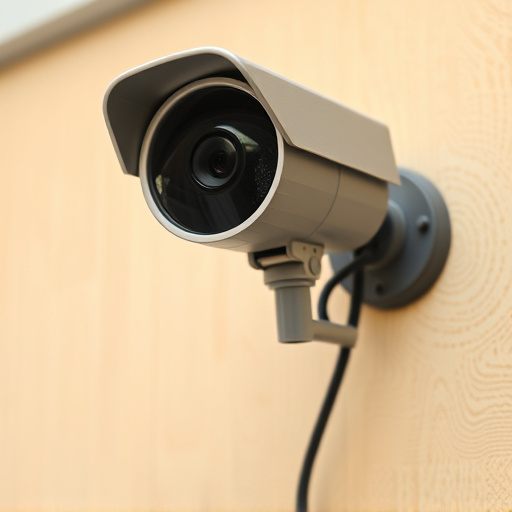
When choosing fake security camera mounting brackets, consider Indoor vs Outdoor applications. Indoor brackets prioritize aesthetics and simpler mechanisms, while outdoor brackets are built to withstand harsh weather with robust materials, advanced locking systems, and sturdier construction. For indoor cameras, opt for durable yet lightweight materials like high-quality plastic or metal alloys; for outdoors, choose weatherproof materials such as stainless steel or exterior-grade plastics that can endure extreme conditions. Regular cleaning and inspection are vital for both types to ensure optimal performance and maximum lifespan, emphasizing the Indoor Vs Outdoor Dummy Camera Durability differences.
In today’s world of advanced security systems, fake security camera brackets offer a unique solution for deterring crime. With both indoor and outdoor options available, understanding the differences in their design and purpose is key to effective deployment. This article explores the nuances between indoor and outdoor dummy camera brackets, delving into material choices, realistic features, optimal use cases, and maintenance tips to ensure longevity and realism. By considering these factors, you can maximize the benefits of fake security cameras for enhanced durability and deterrence, catering to both indoor and outdoor environments.
- Understanding the Difference: Indoor vs Outdoor Fake Camera Brackets
- Material Considerations for Durability: What to Look For
- Design Features Enhancing Realism and Longevity
- Common Uses: Where to Employ Indoor and Outdoor Dummy Cameras
- Maintenance Tips for Keeping Your Fake Security Systems Viable
Understanding the Difference: Indoor vs Outdoor Fake Camera Brackets
When choosing fake security camera mounting brackets, understanding the difference between indoor and outdoor options is crucial for ensuring proper functionality and durability. Indoor dummy camera brackets are typically designed with a lighter build, focusing on aesthetics to blend seamlessly with interior decor. They often feature simpler mechanisms and cheaper materials, making them suitable for deterring burglars without enduring harsh weather conditions.
In contrast, outdoor fake camera brackets are built to withstand extreme temperatures, rain, snow, and other environmental factors. These robust brackets incorporate more durable materials such as high-grade plastic or metal alloys, along with advanced locking systems to prevent unauthorized access. The sturdier construction ensures their longevity outdoors, providing continuous security monitoring even in challenging weather.
Material Considerations for Durability: What to Look For
When considering fake security camera mounting brackets, understanding material durability is paramount, especially when differentiating between indoor and outdoor use. For indoor dummy cameras, materials like high-quality plastic or metal alloys are ideal. Look for robust yet lightweight options that can mimic the appearance of real cameras without compromising structural integrity. These materials offer resistance to everyday wear and tear while ensuring your fake camera remains in place without easily breaking or warping.
In contrast, outdoor dummy security cameras demand sturdier construction. Weatherproof materials such as stainless steel or durable plastics designed for exterior use are essential. These materials must withstand varying temperatures, rain, snow, and UV exposure. Ensure the mounting brackets have sealed joints and corrosion-resistant coatings to ensure longevity under harsh conditions, maintaining both functionality and aesthetic appeal.
Design Features Enhancing Realism and Longevity
The design features of security camera mounting brackets play a pivotal role in enhancing both realism and longevity, especially when comparing indoor vs outdoor dummy cameras. High-quality brackets are crafted with materials like sturdy metal or robust plastic, ensuring they withstand various environmental conditions. These materials prevent premature wear and tear, making them suitable for long-term use.
Realism is achieved through meticulous attention to detail, mirroring the appearance of genuine camera hardware. This includes intricate designs that replicate screws, bolts, and mounting mechanisms found on real security cameras. Such meticulous craftsmanship creates an authentic look, fooling even the most discerning eye. This level of realism is crucial for maintaining the integrity of surveillance systems, particularly in outdoor settings where dummy cameras are often used to deter potential thieves or vandals.
Common Uses: Where to Employ Indoor and Outdoor Dummy Cameras
Fake security camera mounting brackets offer a practical solution for both indoor and outdoor applications, enhancing security while providing a cost-effective alternative to real surveillance systems. Indoor dummy cameras are primarily used in homes and businesses to deter potential intruders, offering peace of mind without the expense of installing active cameras. These devices can be strategically placed in highly visible areas to create the illusion of constant monitoring.
When it comes to outdoor use, durable indoor-grade dummy cameras might not always be sufficient due to exposure to harsh weather conditions. Outdoor dummy cameras are specifically designed to withstand extreme temperatures, rain, snow, and other environmental factors. They are commonly employed in commercial buildings, warehouses, construction sites, and remote areas where security is a priority but a full-fledged surveillance system is not feasible or cost-effective.
Maintenance Tips for Keeping Your Fake Security Systems Viable
Maintaining your fake security camera mounting brackets, whether indoor or outdoor dummy cameras, is essential for keeping your system viable and effective. Unlike real security cameras, these mimics require less frequent physical maintenance checks but still demand attention to ensure they remain in optimal condition. Regular cleaning of the bracket surfaces with a soft cloth or brush will prevent dust buildup, ensuring clear camera views. Additionally, checking for loose connections at the mounting points is crucial, as any instability can affect the camera’s positioning and overall stability.
The durability of indoor versus outdoor dummy cameras differs significantly. Outdoor brackets face harsh weather conditions, necessitating robust materials that can withstand rain, snow, and extreme temperatures without corrosion or damage. Indoor cameras, on the other hand, require sturdy construction to prevent accidental knocks or bumps but generally don’t need to endure external environmental factors. Understanding this distinction ensures you invest in suitable mounting solutions for each environment, maximizing the lifespan of your fake security system components.
When selecting fake security camera mounting brackets, understanding the distinctions between indoor and outdoor use is key. The article has highlighted crucial factors like material durability, design features, and common applications for both indoor and outdoor dummy cameras. By keeping these considerations in mind, you can ensure your security system maintains realism and longevity, providing peace of mind whether safeguarding your home or business.